Quality Imaging, Closer to You.
Mobile & hub-based diagnostic imaging services across Western Kenya
We bring MRI, CT, X-ray, Ultrasound, and Mammography closer to underserved communities through mobile imaging units and regional hubs.
Our Story
Built to Bridge the Imaging Gap in Healthcare
Mobiscan Imaging Centre was founded with a powerful goal to close the gap in access to diagnostic imaging across underserved communities in Western Kenya.
For many patients, essential scans like MRI, CT, or Ultrasound often meant long travel distances, high costs, and delayed treatment. Mobiscan was created to change that by introducing a mobile-first imaging model supported by a regional hub in Kitale.
We believe every person deserves access to quality diagnostic imaging, no matter where they live or what they can afford.
— Miriam Natembeya, CEO, Mobiscan Imaging Centre2026
Year founded
50+
Supported Patients
10+
Partner Clinics
5
Service Regions
Our Vision & Mission
Our Mission
To improve healthcare outcomes by increasing access to high-quality diagnostic imaging for all communities, regardless of geographical location or socio-economic status.
Our Vision
To be the leading community-centred provider of innovative, reliable, and accessible imaging services in the region: recognised for cutting-edge technology, clinical excellence, exceptional patient care, and meaningful social impact.
Healthcare Beyond Imaging
Health Intelligence & Disease Surveillance
At Mobiscan, our work goes beyond providing diagnostic imaging. We are building an imaging-powered health intelligence system that helps communities, healthcare providers, and public health partners better understand disease patterns across Western Kenya.
Through secure and anonymized imaging insights, Mobiscan can support the tracking of key health concerns such as tuberculosis from chest X-rays, maternal health complications from ultrasound imaging, and cancer patterns from advanced diagnostic scans.
This approach allows imaging to play a bigger role in public health by helping identify disease trends, support early intervention, guide resource planning, and strengthen healthcare decision-making in underserved communities.
Patient privacy remains central to this process. Any data used for health intelligence is handled responsibly, with a focus on anonymized and aggregated insights rather than personal patient identification.
For Health Partners & Decision Makers
Mobiscan helps transform anonymized imaging findings into useful health insights for county health teams, NGOs, hospitals, researchers, and community health partners.
These insights can support disease trend mapping, early intervention, resource planning, and better healthcare decisions across Western Kenya.
These insights are available to approved health partners. Visit our Partnership page to Learn More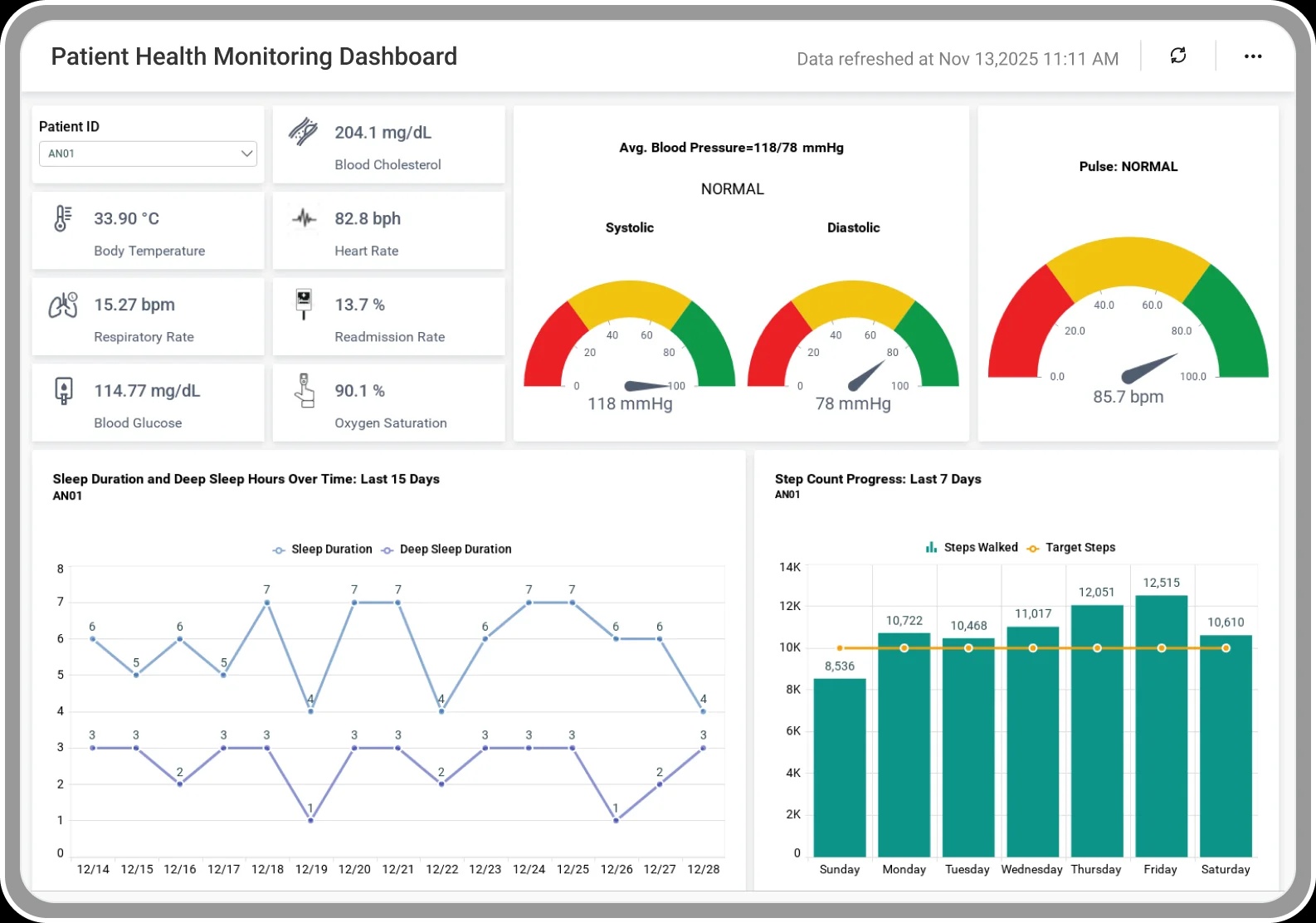

Our Core Values
Meet the Founder
Miriam Natembeya
CEO Director
Miriam Natembeya’s journey begins in Kitale, in a rural village where access to healthcare was never guaranteed. Born 28 years ago, she grew up aware of the harsh reality that the nearest hospital was over 200km away, forcing families to rely on home births without medical support or equipment. That early experience shaped her lifelong conviction that healthcare should never depend on geography.
Years later, after spending over five years in medical imaging, she witnessed the same pattern repeated across Western Kenya—patients arriving too late, illnesses misdiagnosed, and treatable conditions becoming life-threatening simply because diagnostic tools were out of reach. From Kapenguria to Eldoret, access to imaging remained a privilege, not a right.
This injustice became her turning point. With deep passion and urgency, she founded a mission-driven solution to bring diagnostic technology closer to communities. Her work reflects a belief that every patient deserves timely, accurate diagnosis, no matter where they live.
Through her leadership, she continues to push for accessible, technology-driven healthcare that restores dignity, speed, and accuracy to diagnosis across underserved regions.